

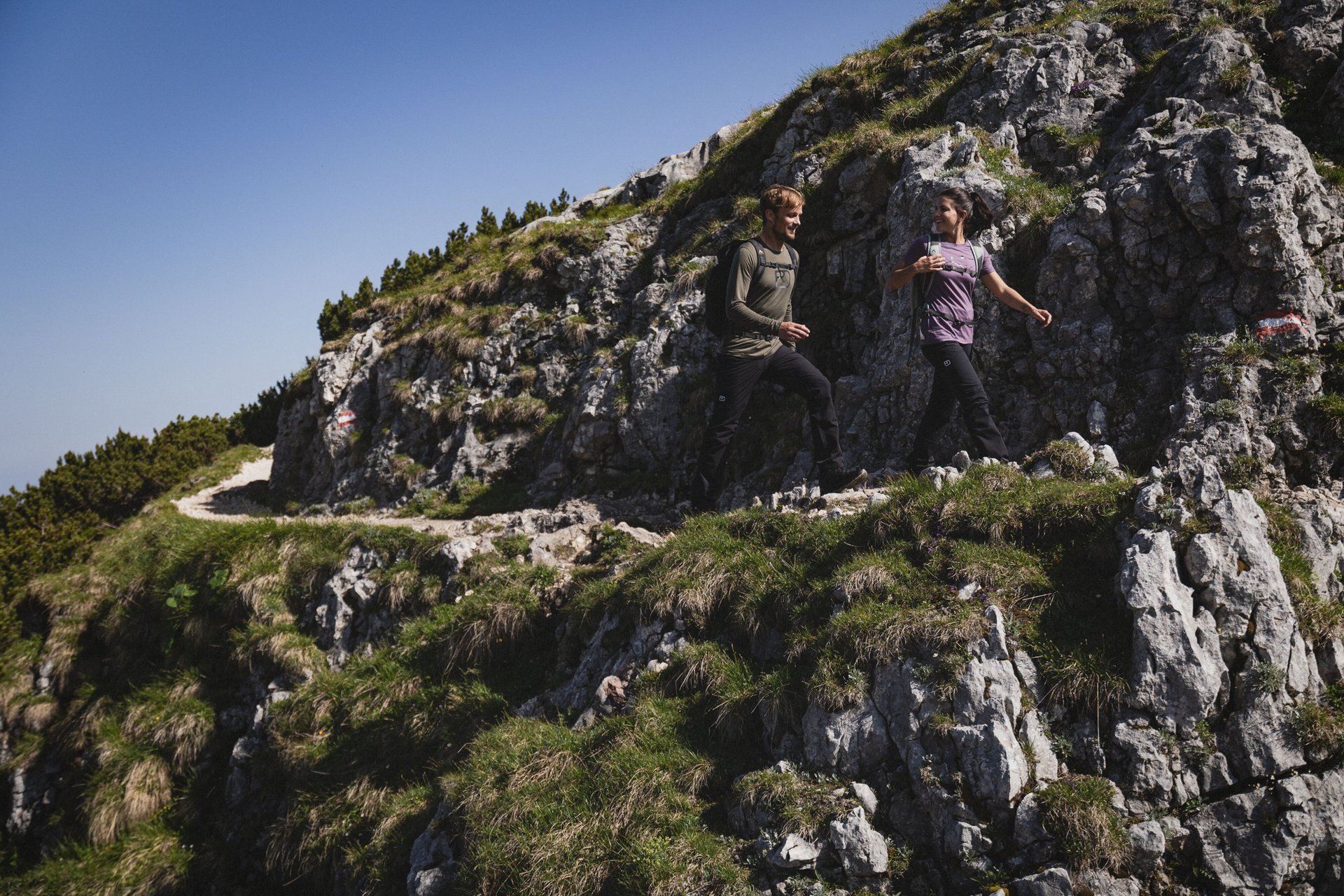
Summer in the mountains: Find out which protective gear will keep you safe on every adventure. Discover more tips in our new article now!
The first warm rays of sunshine are drawing us back out into the great outdoors. We’re dusting off our mountain bikes, lacing up our walking boots and packing our rucksacks. But whilst we look forward to exciting outdoor adventures, many of us forget the most important part of our kit: safety. A moment of carelessness on the trail, a sudden change in the weather in the mountains or taking a wrong turn – and a relaxing outing can quickly turn into a dangerous situation. That’s why it’s essential that adventurers think about the right protective kit right from the planning stage of their trips. In our summer range, you’ll find everything you need for safe outdoor experiences.
Table of contents
- Key points at a glance
- Helmets: Protection for your head and neck
- Protective clothing and pads: Safety for the whole body
- GPS devices and maps: Always find the right route
- First-aid kit: Well prepared for an emergency
- Means of communication: Always reachable in the wilderness
- Conclusion
Key points at a glance
- A high-quality helmet is essential for head protection on mountain bike and e-bike tours.
- Protective clothing and pads protect the whole body from injury in the event of falls or accidents.
- GPS devices and maps ensure safe navigation and prevent you from getting lost in rough terrain.
- A well-equipped first-aid kit can save lives in an emergency and should be carried on every ride.
Helmets: Protection for the head and neck
The helmet is undoubtedly the most important safety feature for many outdoor activities. Particularly when mountain biking and e-biking, it protects against serious head injuries that can occur during falls or collisions. Modern cycling helmets are not only lightweight and well-ventilated, but also offer optimum protection for the forehead, temples and back of the head.
When choosing the right helmet, you should bear several important factors in mind.
- The fit must be right – the helmet must be neither too tight nor too loose.
- Certification marks such as the CE mark guarantee that safety standards have been met.
- Adjustable straps and headbands ensure a personalised fit.
- Adequate ventilation prevents overheating on longer rides.
A professionally fitted helmet can make the difference between a minor and a serious injury. That’s why we recommend seeking detailed advice and trying out different models before buying.
Protective clothing and pads: safety for the whole body
As well as head protection, mountain bikers should also protect the rest of their body. Knee and elbow pads are essential, particularly on challenging trails and steep descents. They absorb the impact energy and prevent painful grazes or bruises.
Modern protectors are significantly more comfortable and breathable than earlier models. They mould to the shape of the body and hardly restrict freedom of movement at all. For particularly challenging rides, there are also back protectors and chest guards that offer additional protection.
Proper care of protective clothing is crucial for its durability and functionality:
- regular cleaning after dirty rides
- air-drying away from direct sunlight
- Check for tears or damage before each use
- Replace if visible signs of wear are present
A professionally fitted helmet can make the difference between a minor and a serious injury. We therefore recommend seeking detailed advice and trying out different models before making a purchase.
GPS devices and maps: Always find the right route
Reliable navigation is crucial for outdoor adventures. GPS devices and topographical maps help you reach your destination safely, even in unfamiliar terrain. They can save lives, particularly when hiking in remote areas or in poor visibility.
Modern GPS devices offer numerous practical features for outdoor enthusiasts. Not only do they display your current position, but they can also record routes, save waypoints and warn you of dangerous areas. Many devices come with pre-installed maps and long battery life.
When planning your route, you should always use several sources of information. Combine digital maps with traditional paper maps and check the latest weather and trail conditions. Careful preparation can prevent unpleasant surprises and significantly increase your safety.
First-aid kit: Well prepared for an emergency
A well-equipped first-aid kit belongs in every outdoor rucksack. Even with careful planning, accidents can happen, and when they do, swift assistance is needed. The right emergency kit can make a crucial difference in bridging the gap until professional help arrives.
A complete first-aid kit should contain various essential items. Sterile dressings, disinfectant and painkillers are part of the basic kit. In addition, a survival blanket, a signal whistle and a waterproof case are useful additions. For longer trips, specialised outdoor first-aid kits, tailored to the specific demands of the great outdoors, are also recommended.
It is not only important to carry the kit, but also to use it correctly. Regular first-aid courses refresh your knowledge and give you confidence in dealing with emergency situations. You should also regularly check the expiry dates of medicines and replace any used-up items.
Means of communication: Always reachable in the wilderness
In remote areas, communication with the outside world is often limited or impossible. That is why reliable means of communication are a vital part of your safety kit. Two-way radios, satellite communicators or special emergency mobile phones can be lifesaving in an emergency.
Two-way radios offer the advantage of direct communication between group members. They operate independently of the mobile network and often have a greater range than mobile phones. For particularly remote areas, satellite communicators are the best choice, as they work worldwide and can also make emergency calls.
Regular maintenance of communication devices is crucial to their reliability. Before every trip, check the battery levels, test the connection and find out about network coverage in your destination area. You should also always carry a power bank or spare batteries.
Conclusion
The right safety equipment is the foundation of every successful outdoor adventure. From high-quality helmets and protective clothing to navigation aids and emergency kit – every component helps ensure that you can enjoy your trips safely and with peace of mind.
Careful preparation and investing in high-quality equipment always pay off. At Intersport Arlberg, we’re happy to advise you on choosing the right safety equipment for your individual needs and outdoor activities.